
Comparing Retatrutide to Other Weight Loss Medications: A Comprehensive Overview
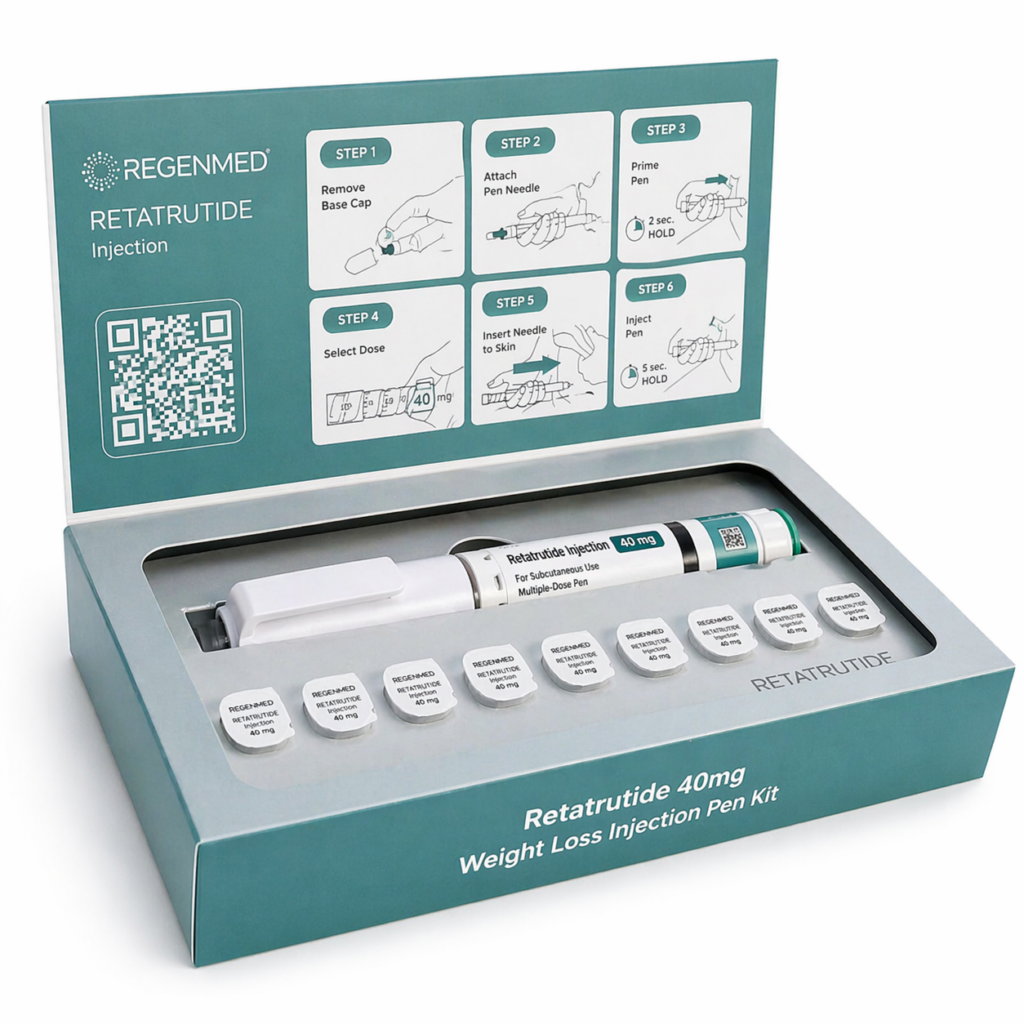
Introduction to Retatrutide
Retatrutide is a novel medication designed for weight management, specifically targeting obesity and overweight conditions. As a dual incretin receptor agonist, it acts on both the glucagon-like peptide-1 (GLP-1) and glucose-dependent insulinotropic polypeptide (GIP) receptors, which play critical roles in appetite regulation and glucose metabolism. By mimicking the effects of these hormones, Retatrutide helps reduce hunger, improve satiety, and promote weight loss, making it a promising candidate in the realm of weight management therapies.

The Rise of Weight Loss Medications
The increasing prevalence of obesity and overweight individuals has led to a surge in the demand for effective weight loss medications. Factors such as sedentary lifestyles, unhealthy diets, and genetic predispositions contribute to this global epidemic, prompting both patients and healthcare providers to seek viable treatment options. As public awareness of the health risks associated with obesity grows, including diabetes, heart disease, and certain cancers, the market for weight loss medications continues to expand, with a focus on developing safe and effective solutions.
How Retatrutide Works
Retatrutide’s unique mechanism of action sets it apart from traditional weight loss drugs. By targeting the GLP-1 and GIP receptors, it not only enhances insulin secretion but also slows gastric emptying and reduces glucagon secretion. This combination leads to a decrease in appetite and an increase in feelings of fullness. Additionally, Retatrutide has been shown to promote fat oxidation, which is crucial for sustainable weight loss. Unlike many weight loss medications that may solely focus on appetite suppression, Retatrutide offers a multifaceted approach, addressing both appetite control and metabolic function.
Comparing Efficacy: Retatrutide vs. Other Medications
Clinical trials comparing Retatrutide to other leading weight loss medications, such as semaglutide and phentermine-topiramate, provide valuable insights into its efficacy. In studies, participants receiving Retatrutide experienced a greater percentage of weight loss over a specified period compared to those on traditional therapies. For instance, while semaglutide has shown impressive results, data suggest that Retatrutide may offer even more substantial reductions in body weight, making it a formidable contender in the weight loss medication landscape.
-
Retatrutide: Demonstrated significant weight loss in clinical trials, often outperforming standard therapies.
-
Semaglutide: Known for its effectiveness but may not match the results seen with Retatrutide.
-
Phentermine-topiramate: Effective but associated with more side effects compared to Retatrutide.
Side Effects and Safety Profile
As with any medication, it is essential to consider the safety profile and potential side effects associated with Retatrutide. Common side effects reported in clinical trials include gastrointestinal disturbances, such as nausea and diarrhea, which are typical for medications targeting GLP-1 and GIP receptors. However, Retatrutide exhibited a favorable safety profile, with fewer severe adverse events compared to some other weight loss medications. In contrast, medications like phentermine-topiramate may present a higher risk of side effects, including cardiovascular issues and cognitive effects.
Patient Experiences and Feedback
Real-world patient experiences provide critical insights into the practical use of Retatrutide versus other weight loss medications. Many users report positive outcomes, such as substantial weight loss and improved metabolic markers, with a relatively tolerable side effect profile. Patients often express satisfaction with the sustained weight loss and the management of comorbid conditions like type 2 diabetes. Feedback regarding other medications, while generally positive, may include concerns about side effects or dissatisfaction with weight loss results. Overall, Retatrutide appears to offer a promising alternative for individuals seeking effective weight management solutions.
Cost and Accessibility
The cost and accessibility of Retatrutide are crucial considerations for patients and healthcare providers. As a relatively new medication, the pricing may be higher compared to established treatments. Insurance coverage can vary, affecting out-of-pocket expenses for patients. In comparison, older medications may be more readily available and less expensive, but they may not provide the same level of efficacy. Ongoing discussions regarding pricing and patient assistance programs will be vital in ensuring that Retatrutide remains accessible to those in need.
Conclusion: Is Retatrutide the Future of Weight Loss?
Retatrutide represents a significant advancement in weight loss therapies, offering a unique mechanism of action, impressive efficacy, and a favorable safety profile. As obesity rates continue to rise globally, the demand for effective weight loss medications will persist. Retatrutide’s ability to address both appetite regulation and metabolic health positions it as a potential leader in the field. However, considerations regarding cost, accessibility, and the need for long-term studies will play a crucial role in determining its future in weight management therapy. For patients and healthcare providers, Retatrutide may indeed be a promising option worth exploring in the journey toward achieving and maintaining a healthy weight.


Leave a Reply