
Understanding the Mechanism of Action of Retatrutide
Introduction to Retatrutide
Retatrutide is a novel peptide-based therapeutic agent that has garnered significant attention in the field of medical research. As a medication designed to target metabolic disorders, it is particularly relevant in the context of obesity and type 2 diabetes. The significance of Retatrutide lies in its potential to offer new avenues for treatment, particularly for patients who have not responded adequately to existing therapies.

The Pharmacological Class of Retatrutide
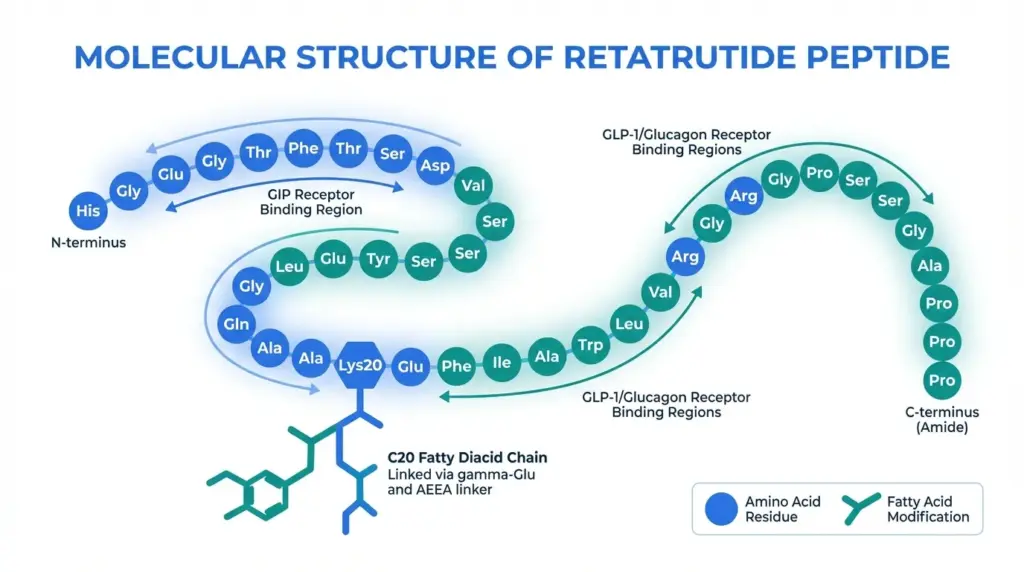
Retatrutide belongs to the class of medications known as dual agonists. These agents are designed to activate more than one receptor type, creating a synergistic effect that can enhance therapeutic outcomes. Specifically, Retatrutide acts on receptors associated with the glucagon-like peptide-1 (GLP-1) and the glucose-dependent insulinotropic polypeptide (GIP). This dual action makes it a promising candidate for addressing both weight management and glycemic control.
Mechanism of Action Overview
The mechanism of action of Retatrutide involves the modulation of metabolic processes through its interactions with specific receptors in the body. By binding to GLP-1 and GIP receptors, Retatrutide influences various physiological pathways that regulate appetite, insulin sensitivity, and glucose homeostasis. This multifaceted approach allows Retatrutide to exert its effects not only on weight loss but also on improving glucose levels, making it a valuable option for managing metabolic disorders.
Target Receptors and Pathways
Retatrutide primarily targets the GLP-1 and GIP receptors, both of which are integral components of the incretin system. The binding of Retatrutide to these receptors activates intracellular signaling pathways that lead to several physiological responses:
- GLP-1 Receptor Activation: This action enhances insulin secretion in response to meals, reduces glucagon secretion, and slows gastric emptying. Consequently, these effects contribute to improved glucose control and reduced appetite.
- GIP Receptor Activation: Similar to GLP-1, GIP also stimulates insulin secretion and has a role in fat metabolism. The activation of GIP receptors by Retatrutide can help in maintaining energy balance and promoting weight loss.
The integration of these pathways allows for a comprehensive approach to treating conditions such as obesity and type 2 diabetes, thereby enhancing the overall therapeutic efficacy of Retatrutide.
Effects on Metabolism
Retatrutide has a profound impact on metabolic processes, particularly in relation to weight management and glucose control. Through its dual agonist action, Retatrutide influences several key aspects of metabolism:
- Weight Loss: By promoting satiety and reducing food intake, Retatrutide effectively aids in weight management. Clinical studies have demonstrated significant reductions in body weight among participants using Retatrutide compared to those on placebo.
- Improved Glycemic Control: The stimulation of insulin secretion in response to meals and the suppression of glucagon levels help in stabilizing blood glucose levels. This is particularly beneficial for individuals with type 2 diabetes, as it reduces the risk of hyperglycemia.
- Enhanced Lipid Metabolism: Retatrutide has been shown to influence lipid profiles, potentially leading to favorable changes in cholesterol and triglyceride levels, which are important for cardiovascular health.
Clinical Implications
The clinical implications of Retatrutide are promising, especially as it pertains to the management of obesity and type 2 diabetes. The unique mechanism of action positions Retatrutide as a potential therapeutic option for patients who have not achieved adequate results with traditional weight loss medications or insulin therapies. Key clinical considerations include:
- Combination Therapy: Due to its dual action, Retatrutide may be used in conjunction with other treatments to enhance overall efficacy and address multiple aspects of metabolic disorders.
- Patient Adherence: The potential for significant weight loss and improved metabolic control may enhance patient motivation and adherence to treatment regimens.
- Long-term Management: The sustained effects on weight and glucose control could provide a long-term solution for managing obesity and diabetes, reducing the burden of these chronic conditions on the healthcare system.
Safety and Side Effects
As with any medication, the safety profile of Retatrutide is an important consideration. Common side effects reported in clinical studies include:
- Nausea
- Diarrhea
- Vomiting
These side effects are generally mild to moderate and tend to diminish over time as the body adjusts to the medication. Additionally, contraindications may include a history of pancreatitis or certain endocrine disorders. Ongoing monitoring is essential to ensure patient safety and to manage any adverse effects that may arise during treatment.
Future Directions in Research
Research on Retatrutide is ongoing, with numerous studies aimed at exploring its full potential in various therapeutic contexts. Future directions include:
- Long-term Efficacy Studies: Investigating the sustained effects of Retatrutide on weight loss and glycemic control over extended periods.
- Comparative Studies: Evaluating the effectiveness of Retatrutide against other treatment modalities, including other GLP-1 and GIP receptor agonists.
- Expanded Indications: Exploring potential applications of Retatrutide in other metabolic disorders or conditions beyond obesity and type 2 diabetes.
These research efforts aim to refine the understanding of Retatrutide’s mechanism of action and to potentially expand its use in clinical practice, providing new hope for patients battling metabolic disorders.


Leave a Reply